Pregnancy is a journey filled with joy, anticipation, and many physical changes. While most symptoms are expected — like morning sickness or food cravings — some can take you by surprise. Dizziness is one of them. Many expectant mothers experience moments of feeling lightheaded or faint, which can be unsettling, especially if you’re unsure why it’s happening. The good news is that in most cases, dizziness is a normal part of pregnancy and not a cause for alarm.
In this blog, we’ll explore the common causes of dizziness during pregnancy, when it might indicate something more serious, and how to manage it effectively.
Why Does Dizziness Occur in Pregnancy?
Dizziness is often a result of your body adapting to the numerous changes required to support your baby. Here are some of the most common reasons:
1. Changes in Blood Circulation
During pregnancy, your blood vessels expand, and your heart pumps more blood to support both you and your growing baby. This can lead to a drop in blood pressure, which sometimes makes you feel lightheaded, particularly when standing up quickly.
2. Hormonal Shifts
Hormones such as progesterone help your body prepare for birth, but they can also cause your blood vessels to relax, affecting circulation and making you feel dizzy.
3. Low Blood Sugar Levels
Your body’s metabolism increases during pregnancy, and if you go too long without eating, your blood sugar can drop, leading to feelings of faintness or weakness.
4. Anaemia (Low Iron Levels)
If your body doesn’t have enough iron to produce healthy red blood cells, you may develop anemia, which reduces oxygen flow to your brain and causes dizziness.
The Role of Reassurance in Managing Dizziness
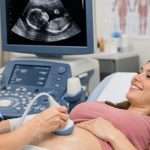
While dizziness is usually harmless, it can still cause worry, particularly if other symptoms accompany it. This is where reassurance becomes important. For example, booking a private scan in Leicester can help put your mind at ease by confirming that your baby is developing well. Seeing your little one’s heartbeat or movements can provide comfort and help you feel more in control, especially if dizziness has made you anxious about your pregnancy.
When Should You Be Concerned?
Most dizzy spells are mild and pass quickly. However, you should contact your midwife or GP if you experience:
- Persistent or severe dizziness
- Blurred vision
- Chest pain or palpitations
- Shortness of breath
- Vaginal bleeding
- Reduced baby movements
These could be signs of more serious conditions like pre-eclampsia, gestational diabetes, or severe anaemia, all of which require prompt medical attention.
Practical Tips to Reduce Dizziness
There’s no guaranteed way to avoid dizziness entirely, but you can take steps to reduce its frequency and intensity:
- Eat Small, Regular Meals – Keep your blood sugar stable by having healthy snacks between meals.
- Stay Hydrated – Aim to drink at least 6–8 glasses of water a day.
- Stand Up Slowly – Give your body time to adjust to changes in position.
- Wear Loose Clothing – Avoid tight waistbands that can restrict blood flow.
- Rest When Needed – Listen to your body and take breaks when you feel lightheaded.
- Increase Iron Intake – Include foods like lean meats, green vegetables, and fortified cereals.
Other Symptoms Linked to Dizziness
Dizziness doesn’t always occur in isolation. Sometimes, it can happen alongside other pregnancy symptoms, such as Vaginal Discharge During Pregnancy. While discharge is usually normal, a sudden change in color, consistency, or smell may indicate an infection or other health issues, especially if accompanied by dizziness or fever. Always discuss unusual symptoms with your healthcare provider to rule out complications.
How Can Later Pregnancy Influence Dizziness?
From the second trimester onwards, lying flat on your back can put pressure on the vena cava — a large vein carrying blood from your lower body to your heart. This pressure can reduce blood flow and cause you to feel faint. To avoid this, try lying on your side (preferably your left) when resting or sleeping.
When Dizziness is a Sign of Something Serious?
Although it’s rare, dizziness can sometimes indicate underlying conditions:
- Pre-eclampsia – A condition marked by high blood pressure and potential organ damage.
- Gestational Diabetes – Can affect blood sugar control and cause dizziness.
- Heart Conditions – Though uncommon, some pre-existing or pregnancy-related heart issues can lead to faintness.
If you experience dizziness with severe headaches, vision problems, or swelling, seek medical advice immediately.
Finding Support During Pregnancy
Pregnancy can sometimes feel overwhelming, especially when symptoms like dizziness raise concerns. Having a supportive network, including healthcare professionals, friends, and family, can make a big difference. Clinics such as Bump 2 Baby Scans provide a caring and professional environment where you can seek reassurance and ask questions without feeling rushed. Knowing you have access to expert support can help you focus on the positive aspects of your pregnancy journey.
Final Thoughts
Feeling dizzy during pregnancy is common and often a natural response to the body’s adjustments. In most cases, it can be managed through simple lifestyle changes like staying hydrated, eating regularly, and taking things slowly. However, persistent or severe dizziness should always be checked by a medical professional.
By understanding the causes and knowing when to seek help, you can take steps to feel more confident and comfortable throughout your pregnancy.
Remember — every pregnancy is unique, and listening to your body is key to keeping both you and your baby safe.