

Pregnancy is a time of transformation. While most expectant parents anticipate the obvious changes — like a growing bump and morning sickness — there’s a whole host of physical changes in pregnancy that might surprise you. From unusual skin shifts to changes in your vision, the body goes through far more than what many books or antenatal classes may mention.
Here, we‘re going to discuss some of the lesser-known but totally normal physical changes that may happen during pregnancy. Whether you‘re freshly pregnant or far along in your second trimester, this guide hopes to reassure, educate, and make you feel more attuned with your amazing body.
1. Changes in Skin Tone and Texture
You might have heard of the “pregnancy glow”, which is caused by increased blood volume and oil production — giving the skin is flushed, dewy look. However, pregnancy can also bring about some less glamorous skin changes:
- Melasma (the mask of pregnancy): Patches of darker skin may appear on your face, particularly around the cheeks, nose, and forehead.
- Linea nigra: A dark vertical line may form down the middle of your belly. It’s completely normal and fades after birth.
- Itchiness or rashes: As your skin stretches, especially across the abdomen and breasts, it can become dry or itchy. Some women also experience pregnancy-related rashes like PUPPP (pruritic urticarial papules and plaques of pregnancy).
- Increased acne: Hormonal surges can trigger acne in women who never had it before.
Tip: Gentle skincare and SPF protection are especially important during this time.
2. Unusual Hair Growth (and Loss)
Pregnancy hormones can stimulate hair growth, making your mane thicker and glossier. But don’t be surprised if hair starts growing in unexpected places too — such as your stomach, face, or back. This usually resolves post-pregnancy.
On the flip side, after giving birth, many women experience postpartum hair loss as hormone levels return to normal. While it may feel dramatic, it’s temporary and generally resolves within a few months.
3. Voice Changes
Yes, your voice might change during pregnancy. Increased oestrogen and progesterone levels can cause swelling in the vocal cords, making your voice sound deeper or raspier. Some singers even report changes in their vocal range.
Though temporary, this can be an odd change for those who rely on their voice professionally.
4. Altered Sense of Smell and Taste
Many pregnant people notice a heightened sense of smell early in pregnancy. Everyday odours — like coffee, perfume, or petrol — can suddenly become overpowering or even nauseating. Some smells that once felt pleasant may now seem unbearable.
Your taste buds may also shift. Cravings for odd combinations (pickles and ice cream, anyone?) and sudden aversions to favourite foods are not uncommon. These changes are driven by hormonal fluctuations and usually stabilise later in pregnancy.
5. Gum and Dental Changes
Hormonal changes affect the gums, making them more prone to swelling, bleeding, and sensitivity — a condition known as pregnancy gingivitis. Increased blood flow to the gums combined with changing oral bacteria can lead to discomfort or bad breath.
It’s crucial to maintain good oral hygiene during pregnancy and visit your dentist for regular check-ups. In some cases, untreated gum issues may be linked to pregnancy complications, so early attention is advised.
6. Nasal Congestion and Nosebleeds
Increased oestrogen and blood flow to the mucous membranes can lead to nasal stuffiness, congestion, and even nosebleeds. This is more common in the second and third trimesters.
If you’re constantly reaching for tissues or waking up congested, you’re not alone. Using a humidifier and staying well-hydrated can help alleviate symptoms.
7. Vision Changes
Pregnancy can affect your eyesight in subtle ways. Some women notice:
- Blurred vision
- Increased dryness or discomfort in the eyes
- Light sensitivity
These changes are usually temporary and linked to fluid retention and hormone shifts. If vision problems are severe or accompanied by headaches or swelling, speak to your healthcare provider, as this could signal a more serious issue like preeclampsia.
8. Swollen Feet and Hands
Mild swelling — particularly in the feet, ankles, and hands — is a common pregnancy symptom known as oedema. It’s often caused by fluid retention and pressure from the growing uterus.
While it’s mostly harmless, sudden or severe swelling, especially in the face or hands, can indicate high blood pressure or other complications and should be addressed quickly.
Tip: Elevate your legs, wear supportive shoes, and stay hydrated to manage swelling.
9. Joint Pain and Wobbliness
During pregnancy, your body releases relaxin, a hormone that loosens joints and ligaments in preparation for birth. While it’s an essential part of the process, it can lead to joint pain, backaches, and even a feeling of instability in the hips or knees.
Some pregnant women report a waddling gait — a natural adaptation to a changing centre of gravity and loosening pelvic joints.
Gentle stretching, pregnancy yoga, and support belts can help with discomfort.
10. Varicose and Spider Veins
Increased blood volume and pressure on veins can cause varicose veins, often on the legs, and spider veins, which are smaller, web-like vessels on the skin’s surface. Some women also experience haemorrhoids — a type of varicose vein in the rectal area.
While they can be uncomfortable, varicose veins usually improve after pregnancy. Elevating your legs, staying active, and wearing compression socks can help reduce symptoms.
11. Increased Vaginal Discharge
A noticeable increase in vaginal discharge is normal during pregnancy. This discharge (called leukorrhoea) helps prevent infections by keeping the vaginal environment clean and balanced.
It’s usually thin, milky white, and odourless. However, if it becomes green, yellow, foul-smelling, or itchy, speak to your doctor, as it could be a sign of infection.
12. Unexpected Bleeding or Spotting
While any bleeding during pregnancy can be alarming, light spotting is often harmless and can occur after intercourse, pelvic exams, or implantation in early pregnancy.
That said, always report any bleeding to your midwife or doctor to rule out complications.
13. Bloating, Gas, and Digestive Issues
Slowed digestion caused by hormonal changes and the pressure of the growing uterus can lead to:
- Bloating
- Excess gas
- Constipation
- Indigestion or heartburn
Small, frequent meals, plenty of water, and high-fibre foods can help ease discomfort. Talk to your doctor before taking any over-the-counter remedies.
Tracking Your Baby’s Health
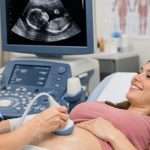
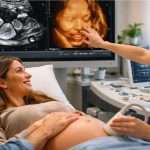
With all those changes occurring to your own body, it’s understandable to be curious about how your baby is growing as well. Regular prenatal scans and tests give reassurance and important health information.
For instance, some parents opt for gender scans between 14 weeks to find out their baby’s sex before the standard 20-week anomaly scan. It‘s a celebratory moment that can bond you and your partner with your developing baby.
Also, if you have a concern regarding genetic disorders, a NIPT chromosome test can be provided from as early as 10 weeks. This is a non-invasive test that examines foetal DNA to check the chances of chromosomal disorders such as Down syndrome, and is highly accurate.


I really appreciate how you’ve explained the lesser-known changes in pregnancy. We see many pregnant clients at our Pilates studio, and this awareness helps them adapt their workouts safely.