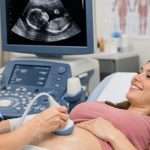
Preparing for the arrival of a baby is a time filled with excitement, curiosity, and decision-making. As parents move closer to the final weeks of pregnancy, understanding how the baby is positioned becomes a key part of the planning process. Many families choose trusted clinics like Bump2Baby Scans to gain clear insight into their baby’s position through a Presentation Scan, which can play an important role in shaping a safe and well-prepared birth plan.
While every pregnancy is unique, knowing how your baby is lying inside the womb can make it easier to feel confident about what to expect during labour. Presentation scans are designed to offer accurate information in the third trimester, helping parents and healthcare professionals discuss the best delivery options clearly and confidently.
Understanding the Purpose of a Presentation Scan
It is a simple ultrasound carried out later in pregnancy, often between 35 and 40 weeks. Its main purpose is to check the position of the baby. By this stage, the baby will usually settle into a preferred pose that will influence how labour may progress. The scan identifies whether the baby is head down, breech, lying sideways, or positioned in another way.
This information is helpful because the positioning of the baby can influence the type of birth that may be recommended. For example, a baby in a head-down position is generally in the most favourable spot for a vaginal birth, while breech or transverse positions may require extra medical guidance or discussions about alternative delivery options.
The Importance of Knowing Your Baby’s Position Before Birth
Baby positioning can have a direct impact on how comfortable, safe, and manageable labour can be. When a baby is head down and facing the right direction, labour may progress more smoothly. If the baby is positioned differently, labour might take longer, feel more challenging, or require extra monitoring. Understanding the baby’s position early gives parents more time to speak with their midwife or obstetrician about what might be the safest plan.
In some cases, knowing that the baby is in a less ideal position encourages earlier discussions about medical interventions or exercises that may help encourage the baby to turn. This makes the information from the scan both helpful and comforting, since it allows for planning rather than facing unexpected decisions at the last moment.
How a Presentation Scan Supports Birth Planning
Birth planning involves thinking through possible scenarios and understanding the steps that may be taken during labour. A presentation scan can provide clarity in several essential ways.
1. Clear Insight into Baby’s Position
The scan gives detailed information about where the baby is located in the womb. Whether head down, breech, or transverse, parents receive a better understanding of what to expect as labour begins. This information reduces uncertainty and enables clear discussions with healthcare providers.
2. Identifying Potential Complications Early
Certain positions can create more challenges during labour, such as a baby lying bottom first or sideways. Detecting these early offers gives parents more time to explore safe alternatives. This might include techniques to encourage the baby to rotate, or planning for a different method of delivery if needed.
3. Supporting Informed Decision Making
Knowing the baby’s position empowers parents to make decisions based on accurate and timely information. Everything from choosing where to give birth to understanding pain relief options can be influenced by how the baby is lying. With the help of a Presentation Scan, families can prepare with greater confidence.
4. Encouraging Open Conversations with Healthcare Providers
The results of the scan can lead to helpful conversations with midwives or obstetricians. These discussions may cover possible adjustments to the birth plan, checking needs, or the right steps parents can take during the final weeks of pregnancy. This creates a more collaborative experience where parents feel fully supported and heard.
What to Expect During a Presentation Scan
The scan is simple, safe, and non-invasive. It usually lasts only a few minutes and is carried out using a standard ultrasound probe across the mother’s abdomen. During the scan, the sonographer will observe the baby’s position, check movements, and confirm other important details such as the placement of the placenta.
Most parents find the experience reassuring because it offers a calm moment to learn about the baby’s orientation and see how they are growing. The process involves no discomfort, and results are typically discussed immediately after the scan.
Common Baby Positions Seen in Late Pregnancy
There are several ways a baby may position themselves as the due date approaches. The most common include:
1. Cephalic or Head Down Position
This is the ideal position for birth. The baby’s head rests near the pelvis, and the body curves comfortably along the mother’s abdomen. Labour often progresses more naturally in this position.
2. Breech Position
In this case, the baby’s bottom or feet are positioned to come first. Some babies in this position may turn on their own, while others might require medical support. It can identify this early, offering time to explore possible turning techniques or birth alternatives.
3. Transverse Position
A baby lying horizontally across the womb is considered transverse. This position can make vaginal birth difficult, and the pregnancy may need extra monitoring to see if the baby turns before labour begins.
Knowing these positions helps parents better understand what their healthcare team may recommend as the pregnancy reaches its final stage.
Supporting Parents with Clearer Birth Preparation
The last weeks of pregnancy bring a mix of emotions, so being prepared is essential for staying calm and informed. A presentation scan can be a crucial part of this preparation, providing clarity when it is most necessary. By understanding how the baby is positioned, parents can focus on proper steps, stay in close communication with healthcare providers, and adjust their birth plan with confidence.
Final Thoughts
Presentation scans are an effective tool to support during birth planning. They provide clear information about baby positioning, allow for early identification of potential challenges, and encourage proper conversations with healthcare professionals. This info can help parents feel better prepared for labour and aware of the options available to them.
As families get excited about welcoming their baby, services like Bump2Baby Scans can provide reassurance at an important stage of the journey. Whether the scan confirms a head-down position or highlights a need for further discussion, the information gained helps parents approach birth with greater calm and clarity.