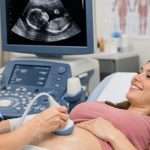
Medical imaging technology has advanced dramatically in recent decades, transforming how healthcare professionals monitor pregnancy and detect potential complications. Modern scans now provide far more than just a glimpse of a developing baby — they can help identify rare conditions at an early stage, giving parents and doctors valuable time to plan the best care possible.
For expectant parents, these innovations not only offer reassurance but also increase the chances of positive outcomes when complications do arise. Understanding how these scans work and their role in detecting rare conditions can make you feel more confident and informed throughout your pregnancy.
Why Early Detection Matters?
Early detection is often the key to effective treatment and management of many medical conditions. When it comes to pregnancy, spotting potential issues early can make a huge difference for both mother and baby.
Some rare conditions that may be detected through modern scans include:
- Congenital heart defects
- Spina bifida
- Skeletal dysplasias (abnormal bone growth)
- Cleft lip and palate
- Certain genetic syndromes
By identifying these conditions in the womb, medical teams can prepare for specialist care immediately after birth, and in some cases, even begin treatment before delivery.
The Technology Behind Modern Pregnancy Scans
Ultrasound technology has been the cornerstone of pregnancy monitoring for decades, but it has evolved into more advanced formats:
- 2D Ultrasound – Provides flat, black-and-white images, useful for measuring growth and identifying basic anatomy.
- 3D Ultrasound – Offers three-dimensional images of the baby’s features and structures.
- 4D Ultrasound – Adds the element of movement, showing the baby in real-time.
- High-Resolution Imaging – Helps specialists examine intricate details such as heart chambers or tiny facial features.
Advances in resolution, speed, and software have greatly improved the accuracy of detecting abnormalities earlier in pregnancy.
When Scans Are Performed?
Routine NHS pregnancy scans include:
- Dating Scan (around 8–14 weeks) – Confirms pregnancy stage and checks for multiples.
- Nuchal Translucency Scan (11–14 weeks) – Measures fluid at the back of the baby’s neck, which can be an early marker for chromosomal conditions.
- Anomaly Scan (18–21 weeks) – Examines the baby’s organs, spine, limbs, and overall development in detail.
Beyond these, parents may choose additional private scans for reassurance, bonding, or to obtain further details. For example, a 4D scan at 14 weeks pregnant can provide a unique early look at your baby’s movements while also offering information on their well-being.
Identifying Rare Conditions: What’s Possible
Modern scans can detect a range of rare conditions, although not every issue can be diagnosed during pregnancy. Some examples include:
- Heart Defects – Specialised ultrasound (foetal echocardiography) can identify structural heart problems early.
- Neural Tube Defects – Such as spina bifida- are detectable during the mid-pregnancy scan.
- Skeletal Disorders – Certain bone growth abnormalities can sometimes be seen on detailed imaging.
- Craniofacial Abnormalities – Such as cleft lip, visible in detailed ultrasound images.
Early identification allows for further diagnostic testing if needed, such as amniocentesis or NIPT (non-invasive prenatal testing), to confirm or rule out specific syndromes
The Role of Specialist Sonographers
The skill and experience of the sonographer play a critical role in detecting rare conditions. Highly trained professionals can recognise subtle markers that might indicate a need for further investigation. In complex cases, you may be referred to a foetal medicine specialist for additional assessments.
These specialists work closely with obstetricians, paediatric surgeons, and neonatologists to plan the safest delivery and postnatal care for babies with confirmed conditions.
Balancing Information and Emotional Impact
While modern scans offer incredible benefits, early detection of a rare condition can be emotionally challenging. Learning about a potential complication during pregnancy can cause anxiety and uncertainty. This is why clear communication and emotional support are essential parts of the scanning process.
Parents are often given time to discuss findings in detail, explore options, and connect with support groups or counselors. Many find comfort in having a plan in place, knowing that medical teams will be ready to give the best possible care.
How Early Detection Can Change Outcomes?
For some conditions, early diagnosis opens the door to life-changing interventions:
- In-Utero Surgery – In rare cases, surgery can be performed before birth, such as repairing spina bifida.
- Specialist Delivery Planning – Ensuring the right medical team and equipment are ready for complex cases.
- Immediate Postnatal Care – Preparing for life-saving treatments straight after delivery.
Even when treatment before birth isn’t possible, early knowledge can help parents prepare emotionally and practically for their baby’s needs.
Private Scans and Additional Peace of Mind
While the NHS provides essential pregnancy scans, some parents choose private services for extra reassurance, more detailed imaging, or a chance to see their baby more often. Clinics such as Bump 2 Baby Scans combine advanced technology with a supportive environment, helping expectant parents feel more confident at every stage of pregnancy.
Private scans can complement NHS care, especially for those who want a closer look at their baby’s growth or additional checks between routine hospital appointments.
Final Thoughts
Modern pregnancy scans are more than just a beautiful keepsake — they are powerful medical tools that can detect rare conditions early, giving families and healthcare teams time to prepare. While not every issue can be found before birth, advances in imaging have made early detection more accurate than ever.
For parents, these scans offer reassurance, valuable information, and in some cases, life-changing opportunities for treatment. Whether part of routine NHS care or an additional private appointment, they play a crucial role in ensuring the safest start possible for your baby.